
Sandalwood harvest
Australia
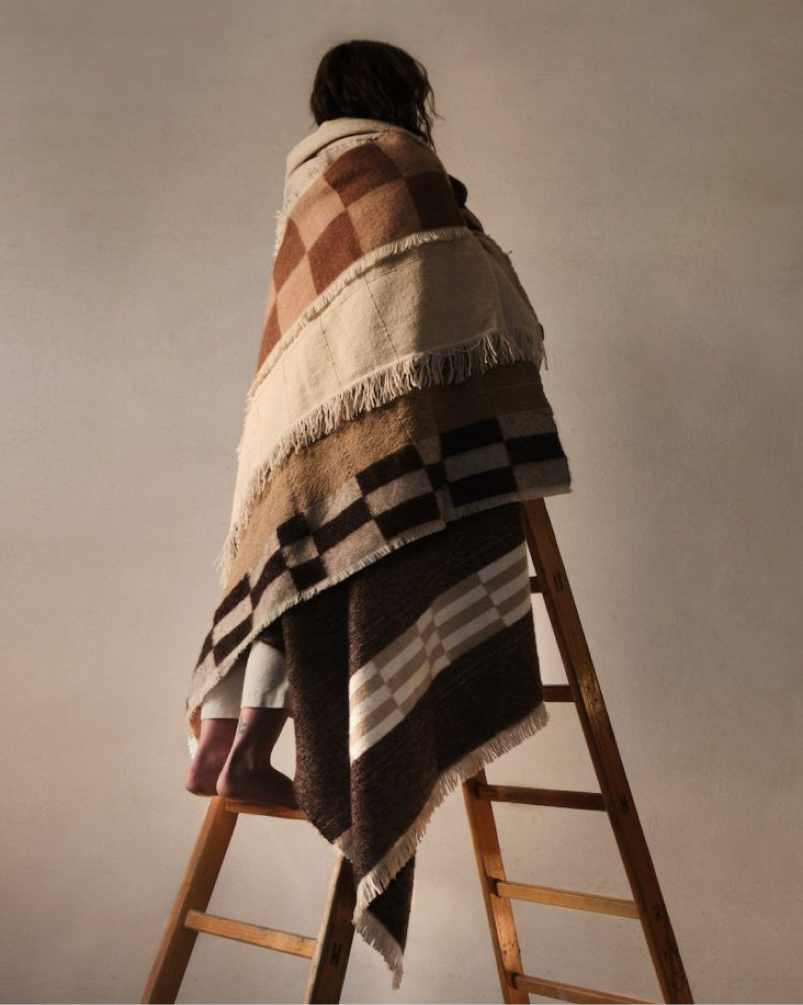
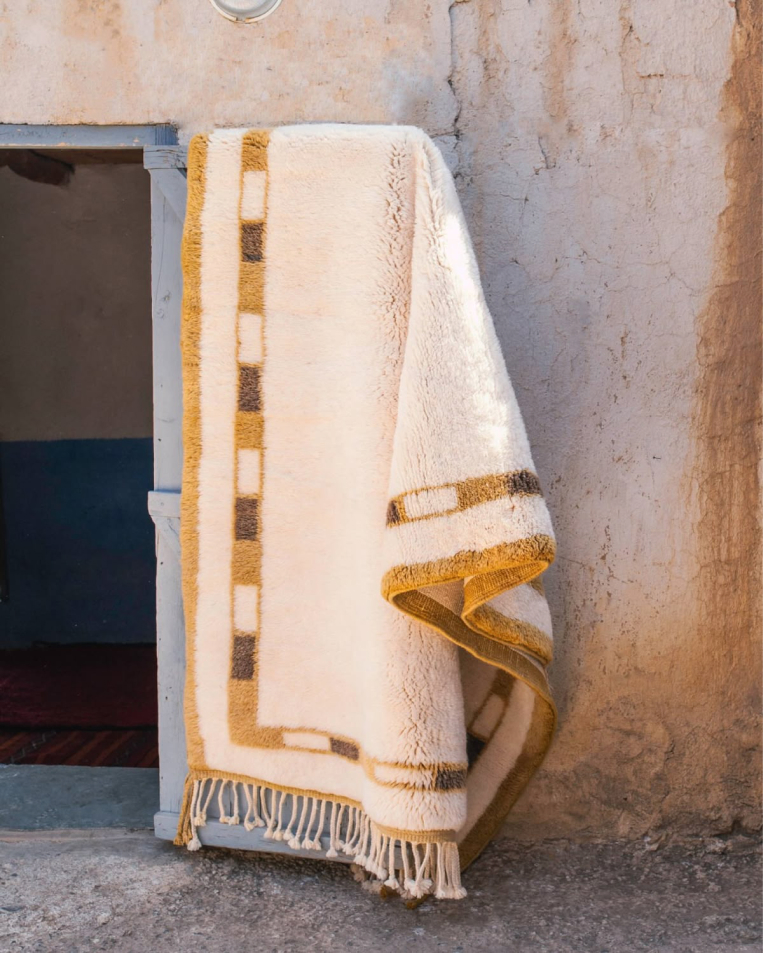
Baby Alpaca is considered one of the worlds few luxury fibers due to its unique properties of softness, luster, lightness, durability, & warmth. No other animal fiber combines ALL of these properties. Baby Alpaca is considered one of the worlds few luxury fibers due to its unique properties of softness, luster, lightness, durability, & warmth. No other animal fiber combines ALL of these properties.
View products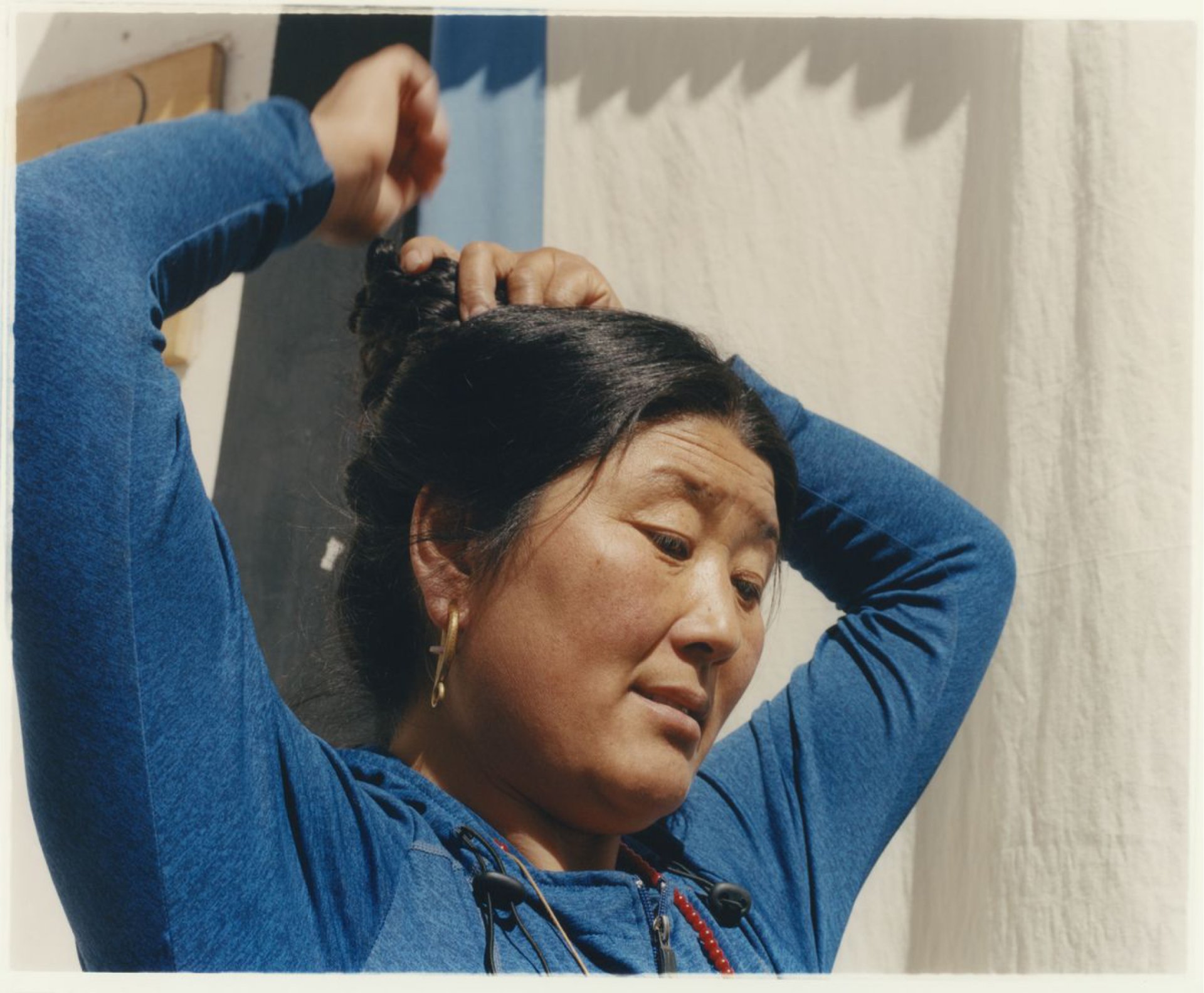
His story
In Peru, the farmers live in extreme conditions, high in the Andean mountains at 4,000 meters above sea level. Often, the farmers, called alpaqueros, move with the seasons, to ensure their alpacas have access to the most fertile grasses.
After the Spanish conquest, alpaca fiber production nearly disappeared from the world. But in the 1800s, the fiber was “rediscovered,” accounting for rapid growth and interest in the animal. Over the course of time, alpacas crossed country lines and began re-populating. Today, there are about 3 million alpacas on small-scale farms that are dedicated to raising alpacas across the world. And they are typically dedicated to either producing fiber or breeding alpacas.
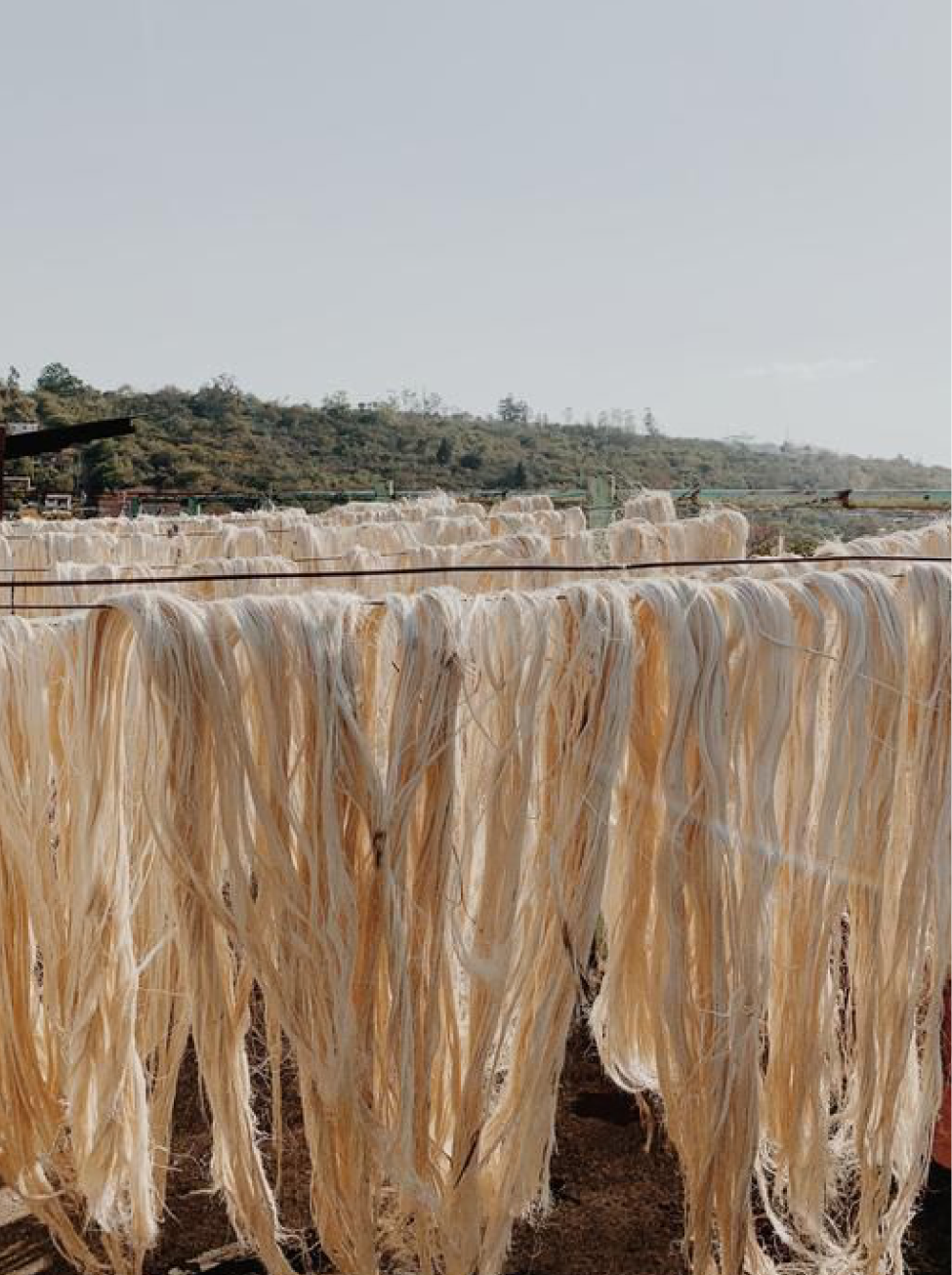
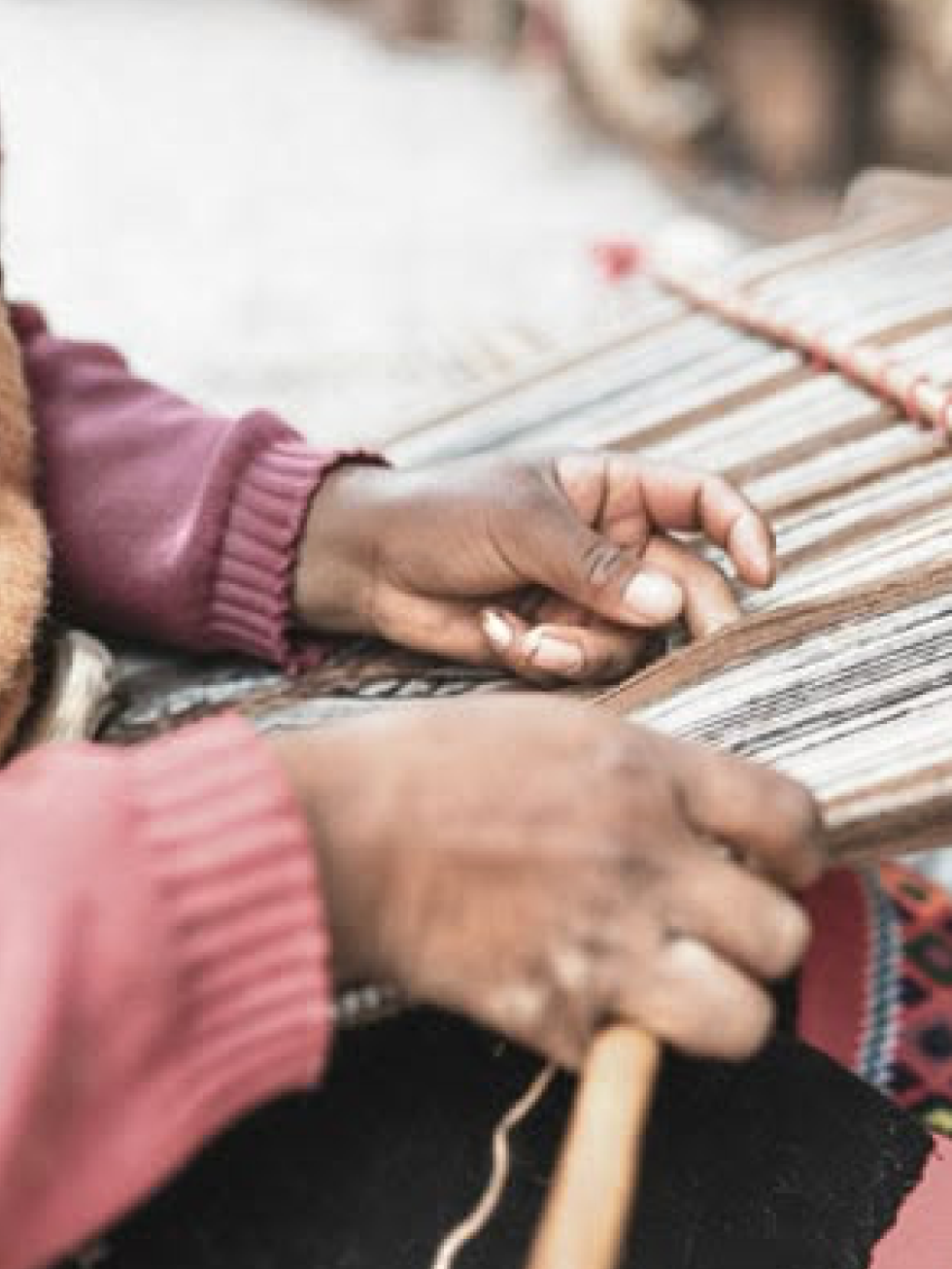
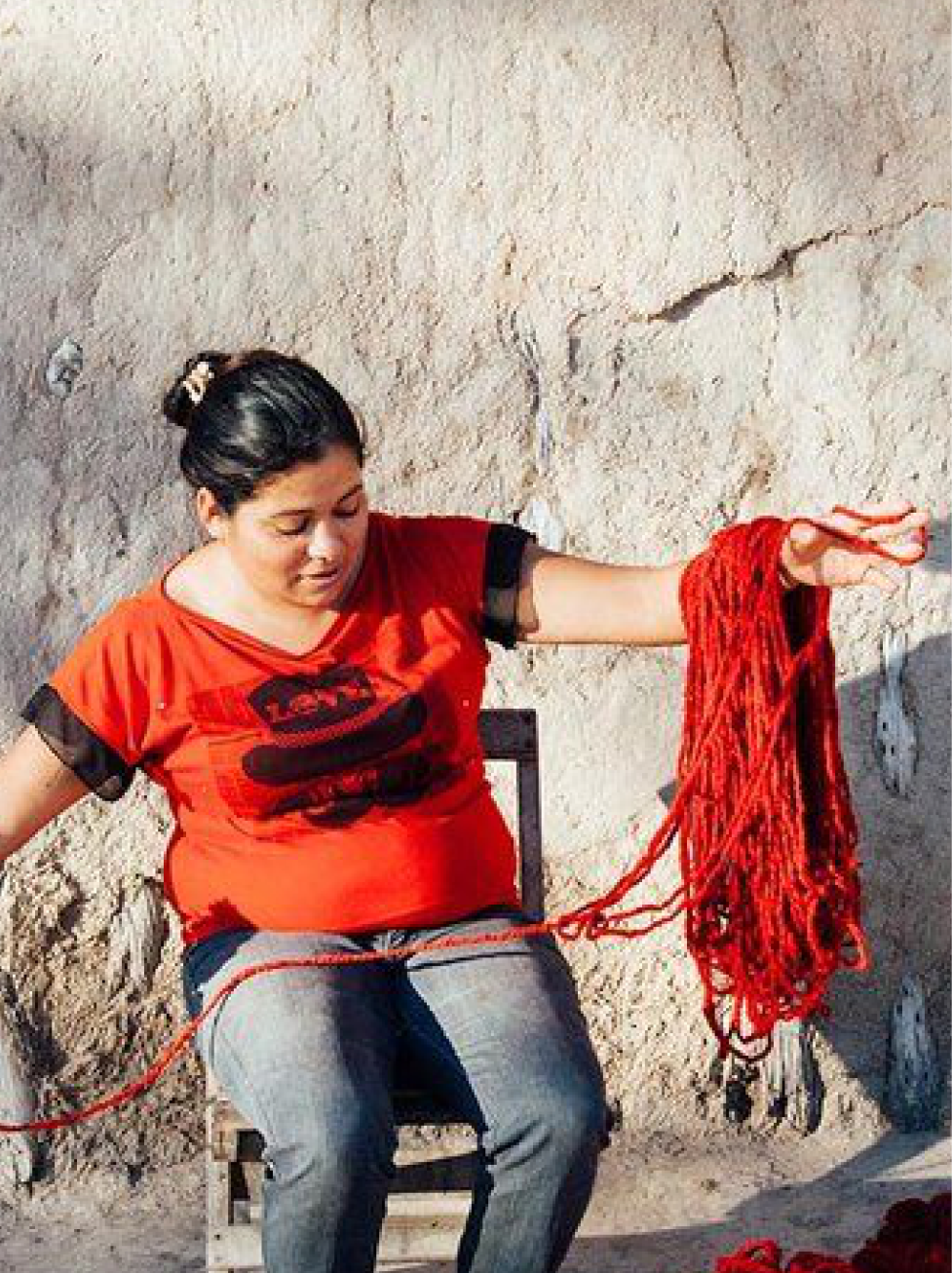
Alpaca fiber sorting is done completely by hand.
In the high Andes, alpacas are raised by more than 86,000 families on small scattered farms.
Some alpaca farms breed babies for a profit. Unlike many mammals, alpacas don’t have a “breeding season,” which means they can exist in a near-constant cycle of breeding. The gestation process lasts about 11 to 12 months. Most female alpacas come of breeding age within two years of their birth. Males may become fertile somewhere between 18 and 36 months. While humans go through hormonal cycles, which limits the ovulation period to a few days, the mating process causes alpacas to ovulate. Some research even shows that if you place a female alpaca outside of a pen where mating is taking place, the act may induce ovulation.
Since you know their story